
How AI is Transforming Marketing Automation to Drive Unprecedented Results
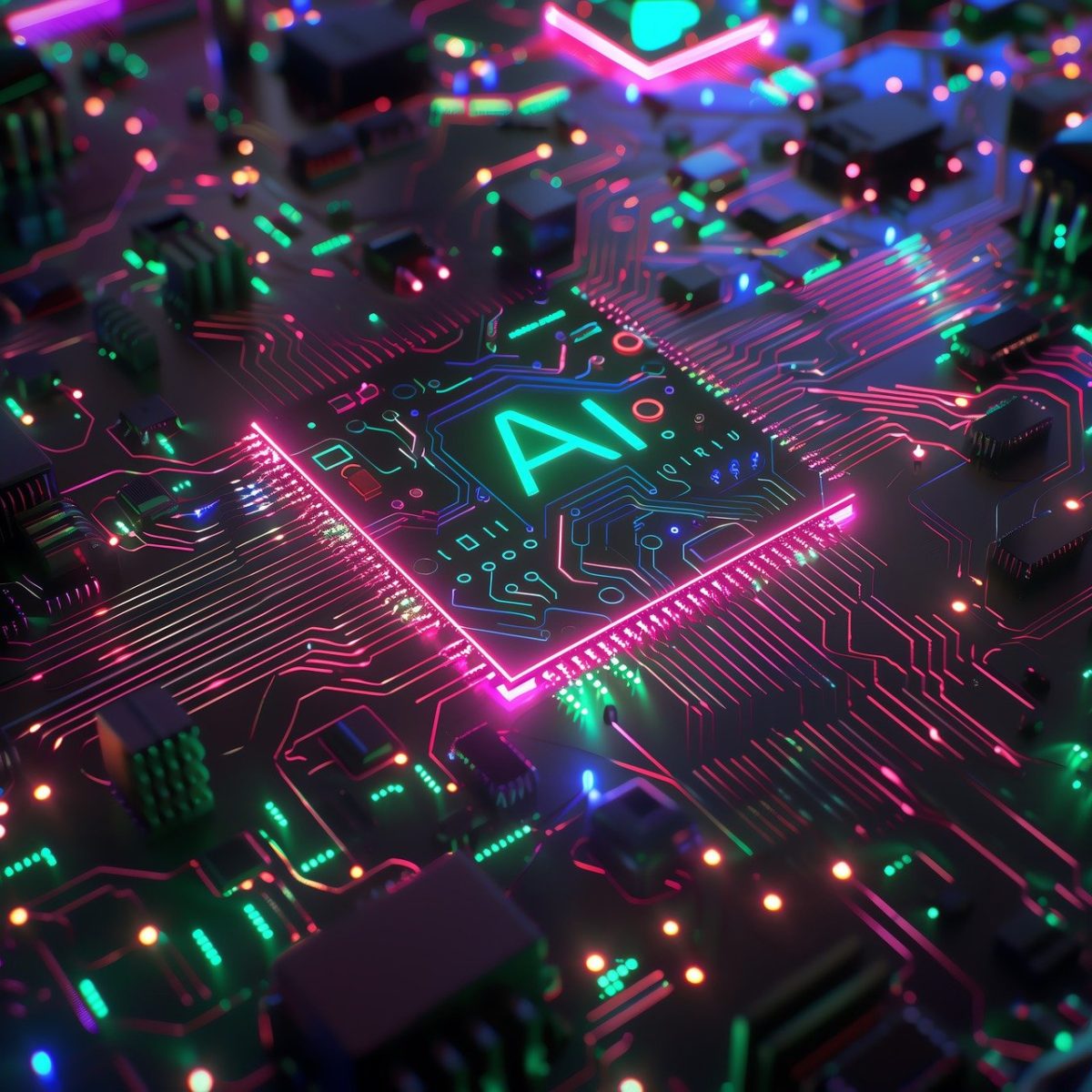
Artificial intelligence (AI) is not just a buzzword—it’s a game-changer in the world of marketing. As consumer expectations rise, businesses are leveraging AI to revolutionize marketing automation, making campaigns smarter, more efficient, and deeply personalized. AI isn’t just about doing things faster; it’s about doing them better, helping brands connect with their audiences in meaningful ways.
Let’s dive into how AI is transforming marketing automation and why it’s the secret weapon for businesses aiming to stay ahead.
1. Hyper-Personalization at Scale
Gone are the days of generic marketing messages. With AI, businesses can analyze vast amounts of data to understand individual customer preferences, behaviors, and purchase patterns.
- Real-time insights: AI tools like Salesforce Einstein and HubSpot analyze customer data in real time, tailoring email campaigns, ads, and offers to each recipient.
- Dynamic content: Platforms powered by AI automatically generate personalized website content, product recommendations, and email templates, ensuring relevance for every visitor.
Example: Imagine receiving an email from your favorite retailer with curated product suggestions based on your recent searches—AI makes this seamless and impactful.
2. Predictive Analytics for Smarter Decisions
AI takes the guesswork out of marketing by predicting future trends and customer behaviors. With predictive analytics, businesses can allocate resources more effectively and optimize their strategies.
- Lead scoring: AI evaluates potential leads and assigns scores based on their likelihood to convert, enabling sales teams to focus on high-priority opportunities.
- Churn prediction: AI identifies customers at risk of leaving and suggests tailored retention strategies, such as exclusive discounts or personalized outreach.
Impact: Marketers are no longer reacting to trends; they’re anticipating them. This proactive approach ensures campaigns stay relevant and impactful.
3. Automation Beyond Human Limits
Marketing automation used to be about sending scheduled emails or posting on social media. AI has taken it to the next level by managing complex workflows and automating processes that were once manual.
- 24/7 operations: AI-powered chatbots like Drift and Intercom engage customers around the clock, answering queries, providing product recommendations, and even completing purchases.
- Cross-channel optimization: AI tools like ActiveCampaign integrate email, SMS, and social media campaigns, ensuring consistent messaging across all platforms.
This level of automation not only saves time but also ensures a seamless experience for the end user.
4. Improved Customer Insights with Sentiment Analysis
Understanding how customers feel about your brand is crucial. AI uses sentiment analysis to gauge public perception by analyzing social media posts, reviews, and survey responses.
- Social listening tools: Platforms like Brandwatch and Sprout Social monitor online conversations, identifying trends and customer sentiment in real time.
- Campaign adjustments: If a product launch receives negative feedback, AI can alert marketers immediately, allowing them to pivot their strategy.
Why it matters: With sentiment analysis, brands can foster stronger emotional connections by addressing customer concerns proactively.
5. AI-Powered Content Creation
Creating content that resonates with your audience can be challenging, but AI simplifies the process by generating high-quality, engaging materials.
- AI writing assistants: Tools like Jasper and Writesonic craft blog posts, ad copies, and even video scripts tailored to your target audience.
- Visual content: AI platforms like Canva and Lumen5 generate eye-catching graphics and videos, reducing the need for a full-fledged design team.
Result: Businesses can produce content faster and at a fraction of the cost while maintaining quality and relevance.
6. Enhanced Ad Targeting and Optimization
AI ensures every advertising dollar is spent wisely by targeting the right audience with the right message at the right time.
- Programmatic advertising: AI automates ad placement by analyzing user data and selecting the most effective platforms and times for delivery.
- A/B testing: AI conducts multiple tests simultaneously, identifying the best-performing ad copies, images, and CTAs (calls-to-action).
Example: Google Ads’ AI capabilities adjust bids in real time, ensuring maximum ROI without manual intervention.
7. Smarter CRM and Lead Management
Customer Relationship Management (CRM) systems are getting an AI-powered upgrade.
- AI-driven CRMs: Platforms like Zoho CRM and HubSpot use AI to track customer interactions, recommend next steps, and even predict sales outcomes.
- Lead nurturing: AI automates follow-ups based on customer behavior, ensuring no opportunity is missed.
Takeaway: With AI, CRM systems evolve from static databases into dynamic tools that actively contribute to business growth.
8. Enhanced ROI Through Cost Efficiency
AI not only improves campaign effectiveness but also reduces costs by automating time-consuming tasks and optimizing resource allocation.
- Budget optimization: AI evaluates campaign performance and reallocates funds to the highest-performing channels in real time.
- Team productivity: By handling repetitive tasks, AI frees up marketers to focus on strategy and creativity.
Challenges and Ethical Considerations
While AI offers immense potential, it’s not without challenges:
- Data privacy: Businesses must ensure compliance with regulations like GDPR and CCPA when leveraging AI.
- Bias in algorithms: Ensuring fairness in AI decision-making processes is crucial to avoid alienating certain audience groups.
- Human touch: Over-automation can make interactions feel impersonal, so striking a balance is key.
Conclusion
AI is transforming marketing automation, making campaigns smarter, faster, and more personalized than ever. From hyper-personalization to predictive analytics, AI empowers businesses to not just meet but exceed customer expectations.
However, the true power of AI lies in how it complements human creativity. By automating mundane tasks and providing actionable insights, AI enables marketers to focus on what matters most—building meaningful connections with their audience.
The future of marketing isn’t just automated; it’s intelligent, innovative, and incredibly exciting. Are you ready to embrace the AI revolution?
Related Works


Programmatic advertising has transformed the way brands connect with audiences—automating media buying, optimizing in real time, and delivering personalized messages Read more

In today’s digital world, having a website isn’t enough — it needs to convert. Whether you're selling products, generating leads, Read more

In the fast-paced world of digital marketing, social media remains a cornerstone of business growth. But with platforms constantly evolving—and Read more